The auction call period has been extended in this security by 5 minutes.
Auction call extensions give London Stock Exchange electronic order book users a further opportunity to review the prices and sizes of orders entered in an individual security’s auction call before the execution occurs. A price monitoring extension is activated when the matching process would have otherwise resulted in an execution price that is a pre-determined percentage above or below the price of the most recent automated execution today.
The applicable percentage is set by reference to a security’s Millennium Exchange sector. This is set out in the Sector Breakdown tab of the Parameters document at www.londonstockexchange.com/tradingservices
This information is provided by RNS, the news service of the London Stock Exchange. RNS is approved by the Financial Conduct Authority to act as a Primary Information Provider in the United Kingdom. Terms and conditions relating to the use and distribution of this information may apply. For further information, please contact rns@lseg.com or visit www.rns.com.
RNS may use your IP address to confirm compliance with the terms and conditions, to analyse how you engage with the information contained in this communication, and to share such analysis on an anonymised basis with others as part of our commercial services. For further information about how RNS and the London Stock Exchange use the personal data you provide us, please see our Privacy Policy.
Agriterra Limited, the AIM listed African agricultural company, announces its unaudited results for the six months ended 30 September 2022.
CHAIR’S STATEMENT
I am pleased to provide an update on our performance in the first half of the 2023 financial year (‘HY-2023’). These results will be made available on the Company’s website.
Operational update
Grain division
The Grain division commenced the period with more than 7,000 tons of maize in silos valued at MZN 87.5 million (US$ 1.4 million) which was not milled in the prior year due to low sales volumes caused by cheap raw maize imports flooding the informal market.
Grain strategy was revised with the main objective being to reduce the level of debt, thus allowing grain division to break even by:
Reducing finance costs,
Further cost reductions amounting to MZN 3m (US$ 47,000) per month.
Building on prior year operating initiatives such as:
Milling from Compagri which has access to cheaper maize.
In August 2022, Grain division bank debt was refinanced with a shareholder loan amounting US$ 6.1 million which reduced finance costs by MZN 6 million (US$ 90 000) per month. In addition, the Grain division managed to cut MZN 2 million (US$ 31,000) operational costs of the targeted MZN 3 million (US$ 47,000) by September 2022.
Grain division sales volumes were in line with the prior year at 7,947 tons (HY-2022: 7,981 tonnes) generating revenue of US$ 3.6 million (HY-2022: US$ 3.6 million). Meal sales volume were ahead of the budget of 7,563 tons (HY-2022: 12,530 tons). Budgeted volumes have been reduced, as compared to prior period, to avoid unnecessary interest and stock holding expenses.
An additional US$ 1.5m shareholder loan was secured, to fund maize working capital for the season. The business, as at 30 September 2022, has in silo a total stock of 7,444 tons of maize (HY-2022: 18,942 tons), which will be rolled over continuously to fund maize requirements through to April 2023. This will necessitate the purchase of a further 5,000 tons to meet the milling requirements until the next harvest.
Operating costs decreased by US$ 0.2m to US$ 0.5m following a further aggressive cost cutting exercise. EBITDA decreased to US$ 0.1m (HY-2022: EBITDA of US$ 0.2m) due to a higher cost of maize as compared to the prior year. Average cost of maize is 19% higher than prior year at US$ 227 per ton (HY-2022: US$ 191 per ton). Finance costs increased to US$ 0.8m (HY-2022: US$ 0.7m) and depreciation cost remained constant at US$ 0.25m. Grain incurred a loss of US$ 0.87m for the 6 months period ending 30 September 2022 (HY-2022: Loss US$ 0.75m).
In response to the shrinking margins, Grain division is evaluating alternative ways of sourcing maize and increasing other milling revenues. The following mitigating actions have been implemented:
Reduce finance costs and stock holding costs by borrowing less and rolling over maize inventories equivalent to US$ 1.5 million;
Sourcing milling services from non-governmental organisations. As at 30 September, Grain division won a contract to mill 600 tons of maize for World Food Programme (WFP); and
Further extend the service milling to commercial customers.
Beef division
Improvement in the performance of the Beef division has been limited by a shortage of animals in the feedlot due to a lack of working capital. At the beginning of the period, the feedlot had 1,334 animals operating at 44% of the feedlot capacity.
The number of animals dropped to 961 by July 2022 in response to stronger customer demand. In August 2022, Beef division received an advance amounting to US$ 300,000 as working capital funding for the purchase of animals. The advance enabled Beef division to purchase 1,000 animals and sales volumes are expected to increase within 90 days, and this will enable Beef division to be profitable thereafter.
As at 30 September 2022, Beef division had 1,513 animals and cash resources which can buy an additional 400 animals. With the additional funding, Beef division will be able to operate at 64% of the feedlot capacity.
Beef division generated US$ 1.7m revenue resulting in an increase of US$ 0.2m as compared to same period last year. 455 tons of beef were sold during the period (HY-2022: 452 tons) compared to a budget of 653 tons. Cumulative gross profit of 23.49% was achieved (Budget: gross profit of 25.24%). This is the second year Beef division has achieved gross profit above 20% due to the following measures which were implemented:
Effective monitoring of animal travel mass losses;
Careful selection and purchase of healthy animals with high growth potential by the farm manager;
Aggressive pricing to meet customer demand;
Consistent monitoring animal meat dress out ratio to achieve a minimum of 52% of the animal weight;
Streamlining processes and reducing costs.
Operational loss for the period decreased from US$ 0.276 million to US$ 0.264 million as compared to prior year. Finance costs decreased to US$ 27,000 (HY-2022: US$ 29,000) and the loss after tax decreased to US$ 0.272m (HY-2022: loss US$ 0.284m).
Beef division is creating several revenue streams by diversifying and/or creating new markets. The following initiatives are increasing revenue for the Beef division:
Diversifying into the supply of goat meat. The challenge being faced is to secure sustainable supply of goats to meet customer demand. Management is searching for new areas to buy goats to meet the demand.
Pushing more carcass sales to supermarkets in northern Mozambique, where the imported South African meat cannot be supplied at competitive rates.
Offering of a new economy cut stewing meat package for retailers to purchase and sell in smaller portions in the informal markets. This is proving to be very popular, and the sales are increasing rapidly each month, driving up the value attributed to each carcass.
Commenced the production of free-range pigs at the farms to improve farm productivity and reduce cost per kg. As at 30 September 2022, Mozbife has 162 pigs. Beef division is targeting to slaughter 40 pigs per month which will produce 5 tons of pork per month from April 23 onwards.
Snax Division
The Snax division has seen strong market penetration reflecting a superior quality product and has been operating above 75% of the installed plant capacity. In August 2022, Snax division purchased a new extruder to increase the production capacity from 110 000 bales to 150 000 bales per month. The new extruder has been funded by internally generated funds and Snax division has plans to expand into new geographical markets in Mozambique.
Snax division generated US$ 1.3m revenue (HY-2022: US$ 0.7m). Mozambique has not been immune to global price pressures which have affected the cost of cooking oil, fuel and packaging materials. Consequently, gross margin decreased from 32% to 19.60% as compared to prior year. However, due to significant increase in sales volumes, gross profit increased from US$ 206,629 to US$ 250,165. Operating expenses increased by US$ 63,925 due to a 5% management fee payable to Grain division. DECA Snax is a joint venture and based on International Financial Reporting Standards, revenue is not consolidated but the profit portion attributable to the group is included as share of profit in equity accounted investee in the Consolidated Income Statement.
Deca Snax reported a profit of US$ 70,000 (HY-22: US$ 94,000) and the group’s share of profit in equity accounted investee is US$ 35,000 (HY-22: US$ 47,000).
Group Results
Group revenue for the half-year ended 30 September 2022 increased by 2% to US$ 5.0m (HY-2022: US$ 4.9m). As a result of increase in the cost of fuel and packaging in all divisions, gross profit decreased to US$ 1.1m (HY-2022: US$ 1.3m) achieving a group gross margin of 22% (HY-2022: Gross margin of 27%). Aggressive cost cutting in Grain and Beef division decreased operating expenses from US$ 1.9m to US$ 1.6m as compared to prior period. Decrease in the operating expenses mitigated the decrease in gross profit and operating loss decreased to US$ 466,000 from US$ 510,000.
Finance costs increased by 28% to US$ 0.918m (HY-2022: US$ 0.715m). Significant decrease in finance cost is expected from October 2022 to March 2023 resulting from the refinancing of external bank debt with the shareholder loans amounting in total to US$ 7.9m. At least a US$ 0.5 million saving is expected by year end.
During the period, inventories have decreased by US$ 0.051m to US$ 2.125m as compared to 31 March 2022. Grain division is keeping low inventory levels as a result of the revised strategy to reduce stock holding cost and finance cost in Grain division. Net debt at 30 September 2022 was US$ 10.9m (31 March 2022: US$ 10.7m).
Outlook for H2-2023
The Grain business is entering H2-2023 with over 7,000 tons of grain in silo which is not sufficient to take us to the next harvest and the strategy is to rollover the working capital until we link to the next grain buying season. This will reduce finance cost for the group as well as stock holding expenses. On the other hand, Beef division has already set the platform for ramping up operations and will increase feedlot capacity utilisation to 64%. All divisions have been striving to be self-sustaining at low-capacity utilisation and now are expanding into profitable operations as volumes increase after rightsizing. Management will continuously monitor operations for profitability and seize new market opportunities creating a group basket of products to effectively lower overheads per product in the medium to long term.
Grain remains the core group business and management will seek to add value by creating additional product lines building on the success of Deca Snax. Additionally, for the FY-23 period, we are working on a financing programme to rebuild the beef stocks and to improve our overall distribution of products for Deca Snax and Mozbife.
CSO Havers Chair 14 December 2022
FOR FURTHER INFORMATION PLEASE VISIT WWW.AGRITERRA-LTD.COM OR CONTACT:
Agriterra Limited
Strand Hanson Limited
Caroline Havers
caroline@agriterra-ltd.com
Ritchie Balmer / James Spinney / David Asquith
Tel: +44 (0) 207 409 3494
Peterhouse Capital Limited
Eran Zucker/Lucy Williams/Duncan Vasey
Tel: +44 (0) 207 7469 0934
Consolidated statement of profit or loss and other comprehensive income
Consolidated income statement
6 months ended 30 September2022
6 months ended 30 September2021
Year ended 31 March2022
Unaudited
Unaudited
Audited
Note
$000
$000
$000
CONTINUING OPERATIONS
Revenue
2
4,964
4,869
10,277
Cost of sales
(3,883)
(3,512)
(7,715)
(Decrease)/Increase in fair value of biological assets
–
(32)
1
Gross profit
1,081
1,325
2,563
Operating expenses
(1,603)
(1,900)
(3,490)
Other income
56
57
86
Profit on disposal of property, plant and equipment
–
8
20
Operating loss
(466)
(510)
(821)
Net finance costs
3
(918)
(715)
(1,627)
Share of profit in equity-accounted investees, net of tax
35
47
55
Loss before taxation
(1,349)
(1,178)
(2,393)
Taxation
–
–
123
Loss for the period
2
(1,349)
(1,178)
(2,270)
Loss for the period attributable to owners of the Company
(1,349)
(1,178)
(2,270)
LOSS PER SHARE
Basic and diluted loss per share – US Cents
4
(6.35)
(5.54)
(10.70)
Consolidated Statement of comprehensive income
6 months ended 30 September 2022 Unaudited
6 months ended 30 September 2021 Unaudited
Year ended 31 March 2022 Audited
$000
$000
$000
Loss for the period
(1,349)
(1,178)
(2,270)
Items that may be reclassified subsequently to profit or loss:
Foreign exchange translation differences
(490)
711
932
Items that will not be reclassified to profit or loss
Revaluation of Property, plant and equipment
–
–
–
Other comprehensive (loss)/income for the period
(490)
711
932
Total comprehensive (loss)/income for the period attributable to owners of the Company
(1,839)
(467)
(1,338)
Consolidated statement of financial position
30 September 2022 Unaudited
30 September 2021 Unaudited
31 March 2022 Audited
Note
$000
$000
$000
Non-current assets
Property, plant and equipment
24,682
25,464
25,051
Intangible assets
10
40
18
Equity-accounted investees
91
47
56
24,783
25,551
25,125
Current assets
Biological assets
421
436
463
Inventories
2,125
4,380
2,176
Trade and other receivables
1,190
1,595
824
Cash and cash equivalents
350
283
107
4,086
6,694
3,570
Total assets
28,869
32,245
28,695
Current liabilities
Borrowings
5
4,287
8,575
8,809
Trade and other payables
1,530
2,330
960
5,817
10,905
9,769
Net current liabilities
(1,731)
(4,211)
(6,199)
Non-current liabilities
Borrowings
5
6,968
2,418
1,003
Deferred tax liability
6,243
6,371
6,243
13,211
8,789
7,246
Total liabilities
19,028
19,694
17,015
Net assets
9,841
12,551
11,680
Share capital
6
3,373
3,373
3,373
Share premium
151,442
151,442
151,442
Share based payments reserve
67
87
67
Revaluation reserve
12,186
12,563
12,312
Translation reserve
(16,498)
(16,229)
(16,008)
Accumulated losses
(140,729)
(138,685)
(139,506)
Equity attributable to equity holders of the parent
9,841
12,551
11,680
The unaudited condensed consolidated financial statements of Agriterra Limited for the six months ended 30 September 2022 were approved by the Board of Directors and authorised for issue on 14 December 2022.
Signed on behalf of the Board of Directors:
CSO HaversChair
Consolidated statement of changes in equity
Share capital
Share premium
Share based payment reserve
Translation reserve
Revaluation reserve
Accumulated losses
TotalEquity
Note
US$000
US$000
US$000
US$000
US$000
US$000
US$000
Balance at 1 April 2021
3,373
151,442
87
(16,940)
12,563
(137,507)
13,018
Loss for the period
–
–
–
–
–
(1,178)
(1,178)
Other comprehensive income:
Exchange translation gain on foreign operations restated
–
–
–
711
–
–
711
Total comprehensive loss for the period
–
–
–
711
–
(1,178)
(467)
Transactions with owners
Share based payments
–
–
–
–
–
–
–
Total transactions with owners for the period
–
–
–
–
–
–
–
Balance at 30 September 2021
3,373
151,442
87
(16,229)
12,563
(138,685)
12,551
Loss for the period
–
–
–
–
–
(1,092)
(1,092)
Other comprehensive income:
Exchange translation gain on foreign operations
–
–
–
221
–
–
221
Total comprehensive income for the period
–
–
–
221
–
(1,092)
(871)
Transactions with owners
Share based payments
–
–
(20)
–
–
20
–
Revaluation surplus realised
–
–
–
–
(251)
251
–
Total transactions with owners for the period
–
–
(20)
–
(251)
271
–
Balance at 31 March 2022
3,373
151,442
67
(16,008)
12,312
(139,506)
11,680
Loss for the period
–
–
–
–
–
(1,349)
(1,349)
Other comprehensive income:
Exchange translation (loss) on foreign operations
–
–
–
(490)
–
–
(490)
Total comprehensive loss for the period
–
–
–
(490)
–
(1,349)
(1,839)
Transactions with owners
Share based payments
–
–
–
–
–
–
–
Revaluation surplus realised
–
–
–
–
(126)
126
–
Total transactions with owners for the period
–
–
–
–
(126)
126
–
Balance at 30 September 2022
3,373
151,442
67
(16,498)
12,186
(140,729)
9,841
Consolidated cash flow statement
Note
6 monthsended 30 September2022 Unaudited
6 months ended 30 September 2021 Unaudited
Year ended 31 March 2022 Audited
$000
$000
$000
Loss before tax for the period
(1,349)
(1,178)
(2,393)
Adjustments for:
Amortisation and depreciation
2
435
425
874
Profit on disposal of property, plant and equipment
–
(8)
(20)
Foreign exchange (loss)/gain
(493)
226
162
Decrease / (increase) in value of biological assets
–
32
(1)
Net decrease / (increase) in biological assets
42
15
(12)
Share of profit in associate
(35)
(47)
(55)
Net Finance costs
918
715
1,627
Operating cash flows before movements in working capital
(482)
180
182
Decrease / (increase) in inventories
51
(3,447)
(1,243)
(Increase) / decrease in trade and other receivables
(366)
157
928
Increase / (decrease) in trade and other payables
570
284
(1,086)
Cash used in operating activities
(227)
(2,826)
(1,219)
Corporation tax paid
–
–
–
Interest received
–
–
–
Net cash used in operating activities
(227)
(2,826)
(1,219)
Cash flows from investing activities
Proceeds from disposal of property, plant and equipment, net of expenses incurred
–
48
20
Acquisition of property, plant and equipment
(58)
(368)
(79)
Acquisition of intangible assets
–
(3)
–
Net cash used in investing activities
(58)
(323)
(59)
Cash flow from financing activities
Finance costs
3
(918)
(715)
(1,627)
Net (repayment) / drawdown of overdrafts
5
(6,255)
4,087
2,236
Net drawdown / (repayment) of loans and finance leases
5
7,701
(171)
545
Net cash generated from/(used in) financing activities
528
3,201
1,154
Net increase/(decrease) in cash and cash equivalents
243
52
(124)
Effect of exchange rates on cash and cash equivalents
–
–
–
Cash and cash equivalents at beginning of period
107
231
231
Cash and cash equivalents at end of period
350
283
107
GENERAL INFORMATION
Agriterra Limited (‘Agriterra’ or the ‘Company’) and its subsidiaries (together the ‘Group’) is focussed on the agricultural sector in Africa. Agriterra is a non-cellular company limited by shares incorporated and domiciled in Guernsey, Channel Islands. The address of its registered office is Connaught House, St Julian’s Avenue, St Peter Port, Guernsey GY1 1GZ.
The Company’s Ordinary Shares are quoted on the AIM Market of the London Stock Exchange (‘AIM’).
The unaudited condensed consolidated financial statements have been prepared in US Dollars (‘US$’ or ‘$’) as this is the currency of the primary economic environment in which the Group operates.
BASIS OF PREPARATION
The condensed consolidated financial statements of the Group for the 6 months ended 30 September 2022 (the ‘H1-2023 financial statements’), which are unaudited and have not been reviewed by the Company’s Auditor, have been prepared in accordance with the International Financial Reporting Standards (‘IFRS’). The accounting policies adopted by the Group are set out in the annual report for the year ended 31 March 2022 (available at www.agriterra-ltd.com). The Group does not anticipate any significant change in these accounting policies for the year ended 31 March 2023.
This interim report has been prepared to comply with the requirements of the AIM Rules of the London Stock Exchange (the ‘AIM Rules’). In preparing this report, the Group has adopted the guidance in the AIM Rules for interim accounts which do not require that the interim condensed consolidated financial statements are prepared in accordance with IAS 34, ‘Interim financial reporting’. Whilst the financial figures included in this report have been computed in accordance with IFRSs applicable to interim periods, this report does not contain sufficient information to constitute an interim financial report as that term is defined in IFRSs.
The financial information contained in this report also does not constitute statutory accounts under the Companies (Guernsey) Law 2008, as amended. The financial information for the year ended 31 March 2022 is based on the statutory accounts for the year then ended. The Auditors reported on those accounts. Their report was unqualified and referred to going concern as a key audit matter. The Auditors drew attention to note 3 to the financial statements concerning the Group’s ability to continue as a going concern which shows that the Group will need to renew its overdraft facilities, maintain its current borrowings and raise further finance in order to continue as a going concern.
The H1-2023 financial statements have been prepared in accordance with the IFRS principles applicable to a going concern, which contemplate the realisation of assets and liquidation of liabilities during the normal course of operations. Having carried out a going concern review in preparing the H1-2023 financial statements, the Directors have concluded that there is a reasonable basis to adopt the going concern principle.
SEGMENT INFORMATION
The Board considers that the Group’s operating activities during the period comprised the segments of Grain, Beef and Snax, undertaken in Mozambique. In addition, the Group has certain other unallocated expenditure, assets and liabilities.
The following is an analysis of the Group’s revenue and results by operating segment:
6 months ended 30 September 2022 Unaudited
Grain
Beef
Snax
Unallocated
Eliminations
Total
$000
$000
$000
$000
$000
$000
Revenue
External sales(2)
3,309
1,655
–
–
–
4,964
Inter-segment sales(1)
245
–
–
–
(245)
–
3,554
1,655
–
–
(245)
4,964
Segment results
– Operating loss
(141)
(264)
–
(127)
–
(532)
– Interest expense
(776)
(27)
–
(115)
–
(918)
– Share of profit in equity accounted investees
–
–
35
–
–
35
– Other gains and losses
47
19
–
–
–
66
(Loss)/Profit before tax
(870)
(272)
35
(242)
–
(1,349)
Income tax
–
–
–
–
–
–
(Loss)/Profit for the period
(870)
(272)
35
(242)
–
(1,349)
6 months ended 30 September 2021 Unaudited
Grain
Beef
Snax
Unallocated
Eliminations
Total
$000
$000
$000
$000
$000
$000
Revenue
External sales(2)
3,361
1,508
–
–
–
4,869
Inter-segment sales(1)
247
–
–
–
(247)
–
3,608
1,508
–
–
(247)
4,869
Segment results
– Operating loss
(121)
(276)
–
(188)
–
(585)
– Interest expense
(686)
(29)
–
–
–
(715)
– Share of profit in equity accounted investees
–
–
47
–
–
47
– Other gains and losses
54
21
–
–
75
(Loss)/Profit before tax
(753)
(284)
47
(188)
–
(1,178)
Income tax
–
–
–
–
–
–
(Loss)/Profit for the period
(753)
(284)
47
(188)
–
(1,178)
Year ended 31 March 2022 Audited
Grain
Beef
Snax1
Unallocated
Eliminations
Total
US$000
US$000
US$000
US$000
US$000
US$000
Revenue
External sales(2)
7,118
3,159
–
–
–
10,277
Inter-segment sales(1)
226
–
–
–
(226)
–
7,344
3,159
–
–
(226)
10,277
Segment results
– Operating loss
(55)
(444)
–
(429)
–
(928)
– Interest expense
(1,548)
(79)
–
–
–
(1,627)
– Other gains and losses
88
19
–
–
–
107
-Share of profit in equity-accounted investees
–
–
55
–
–
55
(Loss)/Profit before tax
(1,515)
(504)
55
(429)
–
(2,393)
Income tax
111
12
–
–
–
123
(Loss)/Profit after tax
(1,404)
(492)
55
(429)
–
(2,270)
Inter-segment sales are charged at prevailing market prices
Revenue represents sales to external customer and is recorded in the country of domicile of the Company making the sales. Sales from the Grain and the Beef divisions are principally for supply to the Mozambique market.
The segment items included within continuing operations in the consolidated income statement for the periods are as follows:
Grain
Beef
Unallocated
Eliminations
Total
$000
$000
$000
$000
$000
6 months ended 30 September 2022 – Unaudited
Depreciation and amortisation
257
178
–
–
435
6 months ended 30 September 2021 – Unaudited
Depreciation and amortisation
247
178
–
–
425
Year ended 31 March 2022 – Audited
Depreciation and amortisation
502
359
13
–
874
NET FINANCE COSTS
6 months ended 30 September 2022 Unaudited
6 months ended 30 September 2021 Unaudited
Year ended 31 March 2022 Audited
$000
$000
$000
Interest expense:
Bank loans, overdrafts and finance leases
918
715
1,627
Interest income:
Bank deposits
–
–
–
918
715
1,627
LOSS PER SHARE
The calculation of the basic and diluted loss per share is based on the following data:
6 months ended 30 September 2022 Unaudited
6 months ended 30 September 2021 Unaudited
Year ended 31 March 2022 Audited
Loss for the period/year for the purposes of basic and diluted earnings per share attributable to equity holders of the Company
(1,349)
(1,178)
(2,270)
Weighted average number of Ordinary Shares for the purposes of basic and diluted loss per share
21,240,618
21,240,618
21,240,618
Basic and diluted loss per share – US cents
(6.35)
(5.54)
(10.70)
The Company has issued options over ordinary shares which could potentially dilute basic loss per share in the future. There is no difference between basic loss per share and diluted loss per share as the potential ordinary shares are anti-dilutive.
BORROWINGS
30 September 2022
30 September 2021
31 March 2022
Unaudited
Unaudited
Audited
$000
$000
$000
Non-current
Shareholder loan
6,215
–
–
Bank loans
595
2,148
783
Leases
158
270
220
6,968
2,418
1,003
Current
Shareholder loan
1,800
–
–
Bank loans
2,377
288
2,438
Leases
110
105
115
Bank overdrafts
–
8,182
6,256
4,287
8,575
8,809
11,255
10,993
9,812
Group
During the period, Agriterra Limited secured shareholder loans amounting to US$ 7.9 million from Magister Investments Limited at an interest rate of SOFR+3% to reduce the finance cost which has been increasing over the years and has been used to pay commercial borrowing in Mozambique which were charged interest above 18% per annum. The Group will save more than US$ 792,000 per annum. The shareholder loans are made up of:
US$ 6.1m convertible loan facility with a 3-year tenure maturing August 2025.
US$ 1.8m convertible loan facility with a 12-month tenure maturing in August 2023.
Grain division
Grain division has two outstanding commercial bank loans amounting to US$ 2.9 million. Bank loan with an outstanding balance of US$ 2.2 million was issued in May 2019. The loan facility which was originally issued as an overdraft facility has been restructured several times and now is a term loan incurring an interest rate of Bank’s prime lending rate less 1.75% and matures in July 2023. The second debt facility with an outstanding balance of US$ 0.7 million is a 5-year term loan maturing on 31 December 2026. The facility was restructured into a term loan on 1 December 2021 with an interest of prime lending rate plus 1.5%. The above-mentioned facilities are secured by land and buildings.
In addition, Grain division has a finance lease for 6 vehicles maturing on 05 December 2023 with an outstanding balance amounting to MZN 4.7m (US$ 73,587). Grain division incurs interest of 18.6% on this facility. During the period MZN 4.2m (US$ 65,876) of the outstanding balance was repaid.
Beef division
The outstanding balance on agricultural equipment finance lease is MZN 12.3m (US$ 0.194m). During the period, MZN 6.8 million (US$ 106,431) of the principal balance was repaid. The finance lease is repayable over 5 years maturing in July 2024 and is secured against certain agricultural equipment.
Reconciliation to cash flow statement
At 31 March 2022
Cash flow
Foreign Exchange
At 30 September 2022
US$000
US$000
US$000
US$000
Non-current shareholder loan
–
6,215
–
6,215
Non-current bank loans
783
(188)
(1)
594
Non-current finance leases
220
(61)
–
159
Current shareholder loan
–
1,800
–
1,800
Current bank loans
2,438
(60)
(1)
2,377
Current finance leases
115
(5)
–
110
Overdrafts
6,256
(6,255)
(1)
–
9,812
1,446
(3)
11,255
SHARE CAPITAL
Authorised
Allotted and fully paid
Number
Number
US$000
At 31 March 2022, 30 September 2022 and 2021
23,450,000
21,240,618
3,135
At 31 March 2022, 30 September 2022 and 2021
Deferred shares of 0.1p each
155,000,000
155,000,000
238
Total share capital
178,450,000
176,240,618
3,373
The Company has one class of ordinary share which carries no right to fixed income.
The deferred shares carry no right to any dividend; no right to receive notice, attend, speak or vote at any general meeting of the Company; and on a return of capital on liquidation or otherwise, the holders of the deferred shares are entitled to receive the nominal amount paid up after the repayment of £1,000,000 per ordinary share. The deferred shares may be converted into ordinary shares by resolution of the Board.
Agriterra Limited, the AIM listed African agricultural company, is pleased to announce that all resolutions were duly passed at the Company’s Annual General Meeting held earlier today.
** ENDS **
For further information please visit www.agriterra-ltd.com or contact:
Agriterra Limited, the AIM-quoted African agricultural company, notes that further to its announcement this morning, the 2022 Annual Accounts are being posted to Shareholders today. The Notice of Annual General Meeting to approve, inter alia, the 2022 Annual Accounts will follow by 28 October 2022.
Audited Annual Results for Year Ended 31 March 2022
Agriterra Limited, the AIM-quoted African agricultural company, announces its audited annual results for the year ended 31 March 2022 (the “2022 Annual Accounts”).
The 2022 Annual Accounts are now available on the Company’s website and an extract of selected information from the 2022 Annual Accounts is set out below. The 2022 Annual Accounts will be posted to Shareholders with the Notice of Annual General Meeting to approve the 2022 Annual Accounts by 28 October 2022.
** ENDS **
For further information please visit www.agriterra-ltd.com or contact:
Agriterra Limited
Strand Hanson Limited (Nominated & Financial Adviser and Broker)
Caroline Havers
Ritchie Balmer/ James Spinney / David Asquith
caroline@agriterra-ltd.com
+44 (0) 207 409 3494
Chair’s statementand strategic review
I am pleased to present the annual report of the Company for the year ending 31 March 2022. During the year, the Company focused on improving the existing operating systems, improving sales and building the DECA Snax brand in the local market.
The Company continues to observe the principles of the QCA Corporate Governance Code (the “Code”) to the extent that they consider them to be applicable and appropriate for a Company of Agriterra’s size and stage of development, through the maintenance of efficient and effective management frameworks accompanied by good communication. Further details are available at:
The Company’s strategy is to operate efficient, profitable businesses in Mozambique to create value for its shareholders and other stakeholders by supplying beef and milled maize products to the local market.
The Company continues to focus on adding value along the entire maize and beef value chain, by developing and offering new products to the market. It currently has three operating divisions:
· Beef, which sources cattle from local farmers and then processes them through its own feedlot, abattoir operations and retail units through Mozbife Limitada (‘Mozbife’)
· Grain, which operates maize purchasing and processing businesses through Desenvolvimento e Comercialização Agrìcola Limitada (‘DECA’) and Compagri Limitada (‘Compagri’).
· Snax, which sources maize grits from DECA, processing them into flavoured puffs and naks through DECA Snax, an operating entity that was commissioned in December 2020 to add value to our grain meal and sell as a snack.
These three divisions have built strong brands in Mozambique. During the year the Company secured additional debt funding of c.US$2.4m to secure the necessary maize quantities needed to meet the projected meal sales for this financial year.
The Company is aware of its environmental, social and governmental responsibilities and the need to maintain effective working relationships across a range of stakeholders. The major shareholder is represented on the Board ensuring their views are incorporated into the Board’s decision-making process. In addition to the Company’s staff and shareholders, the local community in Mozambique is a primary stakeholder. In purchasing maize and cattle directly from the local community, the Company plays an important role in local economic development, supporting small scale farmers and the developing commercial sector.
Mozambique overview
FY2022 has proven to be a very challenging year, with the continued impact of COVID-19 restrictions and the security situation in the North of the country.
The Central region was hit by a tropical storm in December 2021; Tropical Storm Anna, passed through destroying crops and flooding fields in the main maize producing belt. Farmers were forced to replant, which in turn caused delays in the harvest and supply of grain to the market. The harvest period moved from April to June and as a result the yields were lower. The impact of the tropical cyclone will affect maize availability and prices for the 31 March 2023 financial year.
Mozambique continued with the COVID-19 lockdown until September 2021, but a further lock down was required from December 2021 to March 2022, as a response to the then new Omnicrom variant. The lockdown affected the economy generally, but in particular the hospitality industry which impacted the operating companies in both direct and wholesale sales.
National infection numbers appear to be under control and the vaccination rates are improving. Beaches, restaurants and general day to day life began to normalise in April 2022. The operating companies were affected in Q1-2022, when at least 10 Management and 60 general staff were infected, but everyone recovered. The companies continued with the training and awareness programmes implemented at the start of the pandemic.
The insurgency in Northern Mozambique (1,500km north of Chimoio) intensified, with SADC and Rwandan security forces assisting the Mozambican army since September 2021. They have had a positive impact in reducing the number of attacks around the O&G fields, but the war has moved further south, towards the town of Pemba. This continues to be a threat, but Total and ENI have indicated that they would be prepared to return in Q4-2022, if the situation improves. This will certainly offer the economy a boost and help move Mozambique forward.
During this same period the Metical remained steady against the US$, but strengthened vs the Rand. This meant that South African imports were slightly cheaper in the Maputo market. Annual inflation was higher at 5.7%, against 3.19% in 2020, in response to the increase in fuel and food prices, due to the Ukrainian war. In response to the inflation, the Bank of Mozambique increased its prime lending rate from 16% to 19%, forcing many business to slow down their growth plans.
Operations review
Grain division
The Grain division has become more efficient over these last 12 months: the mill upgrades have improved the overall extraction rate from 76.7% in FY21 to 78.0%; and cheaper maize purchases have improved the overall gross margin to 26.7% vs the 15.41% achieved in prior period. These efficiencies have enabled the division to improve its overall performance per ton sold. However, volumes sold declined to 17,094 tons (2021: 25,389 tonnes) and average selling price decreased to MZN 26,983 per ton (2021: MZN 27,467).
The drop in sales is mainly due to the excessive volume of maize produced in and being informally imported from Malawi and Zambia, where favourable climatic conditions and government subsidised fertiliser schemes have resulted in exceptionally high maize production for that year. The supply was far greater than the local demand and hence the maize entering Mozambique and eventually making its way south to Chimoio, Beira and Maputo, thus requiring a reduction in price to compete with the cheaper maize available in the informal markets.
A total of $6.1m borrowings were secured from commercial banks, contributing towards the purchase of 29,264 tons of maize needed for this season. The business has in silo a total stock of 7,690 tons of maize at year end (2021: 2,044 tons), which has enabled grain division operations to mill through to June 2022, new crop was available to purchase in mid-June 2022.
Revenue for the year decreased to $7.1m (2021: $11.1m). Operating costs increased by $0.3m to $1.9m resulting from the appointment of senior management and additional bush buying administrative and transport expenses. EBITDA increased to $0.54m (2021: EBITDA of $0.51m) due to extraction efficiencies and reduced maize cost as compared to the prior year. However, finance costs increased to $1.55m (2021: $1.07m) and the assets revaluation led to an increase in depreciation cost to $0.5m from $0.18m in 2021 resulting in a loss before tax of $1.41m (2021: loss $ 0.74m).
Loss after tax amounted to $1,515,000 (FY21: Loss after tax $742,000.
Beef division
The Beef division suffered a loss of business between March and April 2021, following the suspension of all oil and gas related activities by Total Energy and ENI, a response to the terrorist attacks in the north. The division has focussed on identifying new customers, improving operating margins and cutting overheads. Sales volumes were 24% below previous year (1,015 tons vs 1,331 tons in FY21).
The decrease in sales has been mitigated by improved Gross Margin of 23.87% (FY-2021: 9.62%) resulting from higher average selling price of MZN 252 per kg (FY-2021: MZN 221) whilst the average dress out rate of 51.2% (FY-2021: 51.7%) remained the same for the year, improved cattle buying practises and training of small farmers (average quarter weight is now 50kg vs the historical average weight of 40kg) has allowed the business to improve quality and increase unit prices.
The Company has embarked on a right sizing strategy, we offered voluntary retrenchments and agreed not to replace staff that either resigned or whose contract came to an end. We still have the cost of the 3 farms that remain in care and maintenance whilst farming investment opportunities are being evaluated to maximise the utilisation of these farms.
Loss after tax amounted to $504,000 (FY21: Loss after tax $1,063,000).
Snax Division
DECA Snax, a 50:50 joint venture with Snax for Africa Limited has, in its second year of operations, managed to grow sales volumes by 500% to $1.5 million (FY21: $0.2 million) due to the successful launch of new products and creation of an efficient sales distribution network. DECA Snax sold 707,385 bales during the current year (FY21: 128,805 bales).
Production volume is exceeding 80% of the installed capacity and plans are in place to increase the production capacity of the Snax division in the next financial year by utilising internally generated funds. Management is encouraged by the positive demand for the products which is more than the production capacity.
Profit after tax amounted to $109,889 (FY21: Loss after tax – Nil)
Key Performance Indicators
The Board monitors the Company’s performance in delivery of strategy by measuring progress against Key Performance Indicators (KPIs). These KPIs comprise a number of operational, financial and non-financial metrics.
2022
2021
2020
Grain division
– Average milling yield
78.0%
76.7%
77%
– Meal sold (tonnes)
17,094
25,389
19,926
– Revenue
$7,118,000
$11,061,000
$8,955,000
– EBITDA (note 5)
$535,000
$510,000
$86,000
– Net debt
($9,521,266)
($5,856,106)
($4,001,000)
– Available headroom under banking facilities
–
$884,669
$746,000
Beef division
– Slaughter herd size – number of head
4,575
5,667
2,100
– Average daily weight gain in feedlot (% of body mass)
0.35
0.35
0.34
– Meat sold (tonnes)
734
890
1,094
– Revenue
$3,159,000
$3,189,000
$3,955,000
– EBITDA (note 5)
($66,000)
($547,000)
($905,000)
– Net debt
($184,283)
($406,244)
($665,000)
– Available headroom under banking facilities
–
–
$99,000
Snax division (note 23)
– Bales sold (units)
707,385
128,805
– Revenue
$1,447,000
$117,000
– EBITDA
$247,000
$10,000
– Net debt
$Nil
$23
– Available headroom under banking facilities
N/A
N/A
Group
– EPS
(10.7)
(10.3)
(14.1)
– Liquidity – cash plus available headroom under facilities
$107,000
$1,139,000
$1,162,000
Financial Review
In FY 22 Group revenue decreased by 28% to US$10.28m (FY21: US$14.25m) mainly due to:
· Influx of maize from Malawi and Zambia which saturated the Mozambique market and maize meal sales volumes decreased by 33% to 17,094 tons (FY21: 25,389 tons). The strengthening of the Metical against other currencies offered Mozambique as an attractive market in Southern Africa. Grain division purchased 30,000 tons, milled out 23,000 tons and carried forward 7,000 tons into the next financial year.
· Reduction in beef demand during the peak of the pandemic and the loss of key contracts due to the conflict in the north, resulting in lower than budgeted beef sales by 17.5% to 734 tons (FY21: 890 tons). The decline in sales volumes was mitigated by 14.06% improvement in selling price.
Even though sales volumes decreased, the Group’s gross profit improved by 25% to $2.6 million (FY21: Gross profit – $2.1 million) as a result operational efficiencies in all divisions which included but are not limited to:
· Improved maize meal extraction rate and low cost of maize in the Grain division.
· Low animal travel mass loss from buying points to the feedlot, management of farm cost and efficient slaughtering process in the Beef division.
Despite the operating expenses increasing by 11% to $3.5 million (FY21: $3.2 million), the operating loss decreased by 17% to $821 000 (FY21: $987,000) even though low sales volumes were realised for the year. The Group operational performance is expected to be profitable if volumes improve by 25%.
Net Debt at 31 March 2022 was US$9.7m (FY21: US$4.3m). Poor group performance has resulted in the increase in debt due to high interest cost amounting to $1.6 million eroding the significant portion of the Group earnings and ultimately shareholder equity. Subsequent to the year end, the Group’s debt has been refinanced by means of a shareholder loan from Magister Investments Limited (see note 26).
Risk management
The Company is subject to various risks and the future outlook for the Company, and growth in shareholder value should be viewed with an understanding of these risks. According to the risk, the Board may decide to tolerate it, seek to mitigate it through controls and operating procedures, or transfer it to third parties. The following table shows the principal risks facing the Company and the actions taken to mitigate these:
Key risk factor
Detail
How it is managed
Change in the period
Foreign Exchange
The Company’s operations are impacted by fluctuations in exchange rates and the volatility of the Metical.
The Company’s borrowing facilities are denominated in Metical.
Decreased. The Metical has been stable in the past 12 months, while inflation has increased, and interest rates increased. IMF and WB have begun lending to the government of Mozambique (GoM), so we expect rates to remain steady.
Political instability
Changes to government policy and applicable laws could adversely affect operations or the financial condition of the Company.
Contingency plans to protect assets and staff should political or military tensions escalate.
No Change. Following the peace accords signed with RENAMO, while military tension in Northern Mozambique is slowly being resolved under a SADC military conflict resolution assistance.
Land ownership in Mozambique
Property rights and land are exclusive to the state. The state grants rights to use and develop land “DUATs”. The operations are dependent upon maintaining the relevant DUATs.
Observance of any conditions attaching to a DUAT.
No change.
Maize growing season
Adverse weather conditions, national or regional could impact on the availability and pricing of grain.
Diversify sources of supply and sign supply agreements. The business has taken the initiative to go directly to the farmer, rather than depending entirely on traders.
Increased. Cyclones and flooding have severely affected the farmer yields in central Mozambique.
Cattle and cattle feed
Cattle are subject to diseases and infections. The availability and price of feed impacts profitability.
Stringent Bio-security measures are in place at the Farms and Feedlot. The division is now self-sufficient in roughage crops and acquires most of its feed from the Grain division.
No Change.
Access to working capital
The Company is reliant on local banking facilities in Mozambique.
During the year, the Company secured additional overdraft facilities.
Increased. The exposure to reliance on the renewal of short-term facilities has increased.
Compliance
There is a risk of a breach of the Company’s business or ethical conduct standards and breach of anti-corruptions laws, resulting in investigations, fines and loss of reputation.
The Board reinforces an ethical corporate culture. Anti-bribery policies are in place, with regular training throughout the organization.
No change.
COVID-19
COVID-19 has had a significant negative impact globally, both economically and socially. There is a risk that there will be a significant outbreak of the COVID-19 virus in Mozambique which could potentially impact the population through contraction of COVID-19 and Government enforced measures, and in turn impact the Company’s operations.
Plans are in place to protect our staff and production capabilities. The Company remains alert to the fast-changing environment and is prepared to put in place mitigating actions as events develop. Our products, meal and beef, are key staples in the domestic Mozambican market and demand is not expected to be significantly affected should the pandemic take hold. The impact on future liquidity has been discussed further in the Going Concern section below.
No Change. Staff are being vaccinated and working practises have changed to accommodate the new normal.
The Board is also responsible for establishing and monitoring the Company’s systems of internal controls. Although no system of internal control can provide absolute assurance against material misstatement or loss, the Company’s systems are designed to provide the directors with reasonable assurance that problems are identified on a timely basis and dealt with appropriately. The Board reviews the effectiveness of the systems of internal control and considers the major business risks and the control environment on a regular basis. In light of this control environment the Board considers that there is no current requirement for a permanent separate internal audit function.
Going concern
Details of the consideration of going concern are set out in note 3. The Company has prepared forecasts for the Group’s ongoing businesses covering the period of 12 months from the date of approval of these financial statements. These forecasts are based on assumptions including, inter alia, that there are no significant disruptions to the supply of maize or cattle to meet its projected sales volumes and that key inputs are achieved, such as forecast selling prices and volume, budgeted cost reductions, and projected weight gains of cattle in the feedlot. They further take into account working capital requirements and currently available borrowing facilities and future renewals.
The forecasts show that the Group needs to achieve its operating targets and secure working capital funding in addition to reducing the borrowing levels by securing other forms of cheaper financing to meet its commitments as they fall due, none of which are certain. Post year end, the Group has secured US$7.9 million from direct shareholder funding which will be used to repay the commercial borrowings and the Group is expected to save at least US$0.7 million by repaying the US$6.1 million overdraft facility and US$1.8 million bank loan after securing maize for the current year. In addition, the Group also secured a US$1.4 million short term loan from Commercial Banks to fund maize purchasing for the FY23 financial year. The group expect further short term funding to be required to fund the current year working capital. These conditions and events indicate the existence of a material uncertainty that may cast significant doubt upon the Group’s ability to continue as a going concern and the Group Companies may therefore be unable to realise their assets and discharge their liabilities in the ordinary course of business. The auditors make reference to going concern in their audit report by way of a material uncertainty. These financial statements do not include the adjustments that would result if the Group were unable to continue as a going concern.
COVID-19
The Mozambican Government continues to implement policies to minimise the spread of COVID-19, but these are now very relaxed, and business is back to normal. The beef and snax sales have been encouraging, but growth is being restricted by the high inflation rates that are affecting the amount of disposable income available in the region. The Grain division has suffered the most with low volume of sales and there is a need to reduce overheads, improve efficiencies and to identify new markets, where the division can increase product up take.
Outlook
The Group had a difficult start to FY-23 as the COVID-19 lock down was re-instated and remained in force until Q3-2022. This has made the overall operation challenging, but management are protecting the gross margins and ensuring that the business does not lose potential advantages in the market.
Grain: In order to improve margins, the division secured an additional working capital facility, enabling it to purchase maize in the period when the market is saturated, and prices are lowest. In addition, some of the larger clients were encouraged to pre-pay for their meal, so as to secure the maize needed at the same time. There has also been renewed focus on the commercial strategy to better align our pricing with the market, to introduce a rebranding program to drive the sales of the 1kg packs which offers better margins, and to incentivise clients to buy more and pay quickly.
Beef: With demand under pressure from lockdown, the focus has been on realigning the cost base with lower projected volumes and refocussing the retail strategy. The depot, opened in 2020 in Maputo in now accounting for 40% of all sales, with demand for our product increasing quickly. On the supply side, the focus has been on strengthening supply chain links with the small farmers who work with us and on getting the efficiencies on the feed lot to improve. A new manager has been contracted and he is having a positive impact on the bottom line.
Snax: The demand for the brand is growing quickly and penetrating new market easily. The division will be introducing new flavours to widen customer choices and further strengthen the brand presence in the market. Snax division is targeting to generate USD 0.5 million revenue per month supported by investment in a new extruder which will improve the production capacity.
Board and senior management changes
In March 2021 Mr. Sant’ana Afonso joined the board as an executive Director and Chief Executive Officer. Mr. Sant’ana Afonso is a Mozambican citizen and has worked with the company since March 2020 before being formally appointed to the role of CEO in April 2021. He was Executive Director for Mozambique of AgDevCo for 6 years and, prior to that, worked for 6 years as the Bulk Cargo Manager at the Port of Maputo, where he gained significant supply chain and logistics experience.Mr. Sant’ana Afonso has a BSc in Agriculture and an MSC in Agricultural Economics and has held non-executive directorships in various companies in the food commodity sector in Mozambique.
After the end of the current reporting period, Mr. Sant’ana Afonso resigned from the Company effective 31 July 2022. Mr Hamish Rudland has assumed the role of Interim Chief Executive Officer.
CSO Havers,
Non-Executive Chair
29 September 2022
Corporate Governance
The Company is quoted on AIM and is required to comply with the provisions of a recognised corporate governance code. The Board elected to adopt the Quoted Company Alliance Corporate Governance Code (the “QCA code”). Further details are available at http://www.agriterra-ltd.com/investor-relations/corporate-governance/
The Board is committed to applying a standard of corporate governance commensurate with its size and stage of growth and the nature of its activities.
The Board
The board structure continues to be organised to ensure it has the appropriate balance of skills and independence. At the year end the Board comprised the Non-Executive Chair, Chief Executive, two non-independent Non-Executive Directors and two independent Non-Executive Directors. Within Senior Management, there is a Finance Director and General Manager who report to the Board. The Board is looking to further enhance its composition, skills and balance as the Company develops. The Board currently comprises:
Caroline Havers, Non-Executive Chair (AC; IC chair)
Ms. Havers is a highly experienced litigation/dispute resolution lawyer having spent over 30 years within international law firms working with clients operating in a variety of African jurisdictions and industry sectors. During her legal career, Ms. Havers has been both a partner and managing director of different law firms. She provides advice on compliance and governance and is a long qualified CEDR Mediator.
Rui Sant’ana Afonso CEO, (Resigned 31 July 2022)
Mr. Sant’ana Afonso is a Mozambican citizen, who resides in Mozambique. Previously he was Executive Director for Mozambique of AgDevCo for 6 years and, prior to that, worked as Director of Operations for G4S in Mozambique. In addition, he gained significant supply chain and logistics experience through his role as Bulk Cargo Manager at the Port of Maputo, where he worked for 6 years.
Mr. Sant’ana Afonso has a BSc in Agriculture and an MSC in Agricultural Economics and has held non-executive directorships in various companies in the food commodity sector in Mozambique.
Hamish Rudland, Non-Executive Director (IC) (Acting CEO from 1 August 2022)
Mr. Rudland has extensive experience across logistics, agriculture, agro-processing, distribution, and property. After graduating from Massey University, New Zealand, he returned to Zimbabwe to start a passenger transport business that soon diversified into fuel tank haulage. Thereafter Mr. Rudland structured acquisitions of foreign-owned asset rich companies to list on the Zimbabwe Stock Exchange where he has substantial investments which focus on his core competencies but also synergise where advantages can be made.
Mr. Hamish Rudland is the settlor of the Casa Trust which has interest in Magister Investments and is also a Director of Magister investment. As a result of Mr. Rudland’s relationship to Magister Investments Limited, he is not considered to be an “independent” director for the purposes of the QCA Corporate Governance Code.
Gary Smith, Non-Executive Director (AC; RC)
Mr. Smith is an experienced finance professional and qualified Chartered Accountant. He is currently a non-executive director of several companies in Zimbabwe and Mauritius. Mr. Smith worked in the UK for several years where he was employed at Deutsche Bank, University of Surrey, and Foxhills Club & Resort. Upon returning to Africa, he worked for a large transport and logistics company in Mozambique for four years before returning home to Zimbabwe and the above positions.
As a result of Mr. Smith’s relationship with Magister Investments Limited, he is not considered to be an “independent” director for the purposes of the QCA Corporate Governance Code.
Neil Clayton, Non-Executive Director (AC Chair; RC Chair)
Mr. Clayton is a Chartered Accountant and has over 30 years of experience in a variety of listed and un-listed companies. Specifically, Mr. Clayton brings significant experience and expertise as regards listed companies operating in Africa as well as particular knowledge of the Company’s business and requirements, having held an interim finance role at the Company during 2019.
The Board considers Mr. Clayton to be an “independent” director for the purposes of the QCA Corporate Governance Code.
Sergio Zandamela, Non-Executive Director (appointed 30 April 2021) (IC)
Mr. Zandamela is a Mozambican national with over 20 years’ experience in agriculture and business with a degree in Agronomy – Rural Engineering from the Eduardo Mondlane University and subsequently an MBA from the Montford University Southern Africa – Sandton Business School. From 2016 to 2020 Mr. Zandamela was responsible from for all Mozambique commercial activities of Tongaat Hulett (agriculture and agri-processing business, focusing on the complementary feedstocks of sugarcane and maize).
The Board considers Mr. Zandamela to be an “independent” director for the purposes of the QCA Corporate Governance Code.
Following the appointment of the CEO, the Non-Executive Chair is expected to commit a minimum of a day a week and the Non-Executive Directors are expected to commit 2 days a month. In addition, all directors are expected to devote any additional time that might be required in order to discharge their duties. Since the outbreak of COVID-19, Board meetings were held quarterly via Zoom. The attendance record of directors who held office for the year is as follows:
Meetings held
Meetings attended
Caroline Havers
4
4
Neil Clayton
4
4
Hamish Rudland
4
4
Gary Smith
4
4
Sergio Zandamela
4
3
Rui Sant’ana Afonso
4
4
The Board has entrusted the day-to-day responsibility for the direction, supervision and management of the business to the Chief Executive Officer (CEO), who leads an Executive Committee (EXCO). For the financial year ended 31 March 2022 the EXCO was comprised of the CEO, the General Manager, the Operations Director, the Financial Director and the Commercial Director in Mozambique.
The CEO and General Manager have a call each week with the Chair to review strategy and discuss any matters arising.
Certain matters are specifically reserved to the Board for its decision including, inter alia, the creation or issue of new shares and share options, acquisitions, investments and disposals, material contractual arrangements outside the ordinary course of business and the approval of all transactions with related parties.
There is no agreed formal procedure for the directors to take independent professional advice at the Company’s expense. The Company’s directors submit themselves for re-election at the Annual General Meeting at regular intervals in accordance with the Company’s Articles of Incorporation.
The Company has adopted a share dealing code for directors’ dealings which is appropriate for an AIM quoted company. The directors and the Company comply with the relevant provisions of the AIM Rules and the Market Abuse Regulation (EU) No. 596/2014 relating to share dealings and take all reasonable steps to ensure compliance by the Group’s employees.
Board Committees
Due to the current size of the Board and the Company, there is no separate Nominations Committee, and any new directors are appointed by the whole Board.
At the Board meeting held in March 2020 the new Audit (“AC”), Investment (“IC”) and Remuneration Committees (“RC”) were established. The Audit Committee and the Investment Committees have met in the last financial year.
The Audit Committee was chaired by Neil Clayton. The Audit Committee has been actively engaged in the planning and conduct of the Audit of these financial statements. The Committee has met formally since the year end and the Chair has had independent conversations with the Audit partners both in Mozambique and London where executive management have not been present.
Terms and conditions for Directors
The Non-Executive Chair and Non-Executive Directors do not have service contracts but appointment letters setting out their terms of appointment. The appointments may be terminated on three (3) months’ notice by either party. The Non-Executive Directors receive an annual base fee reflecting their respective time commitments and do not receive any benefits in addition to their fees, nor are they eligible to participate in any pension, bonus or share-based incentive arrangements.
Directors’ remuneration
Remuneration details are set out in note 9 to the financial statements.
Evaluation of Board performance
Given the Company’s size, no formal review of the effectiveness of its performance as a unit, as well as that of its committees and the individual directors has been taken. Performance reviews are to be carried out internally from time to time. Reviews will endeavour to identify skills development or mentoring needs of directors and the wider senior management team.
The Board recognizes that the current procedures remain to be formally implemented and therefore do not accord with the QCA Guidelines. However, it is anticipated that these procedures will be augmented to a standard appropriate for the size and stage of development of the Company.
Communication with shareholders
The Company aims to ensure all communications concerning the Group’s activities are clear, fair and accurate. The Board is however keen to improve its dialogue with shareholders. The Company’s website is regularly updated, and announcements are posted onto the Company’s website.
The results of voting on all resolutions in future general meetings will be posted to the Company’s website, including any actions to be taken as a result of resolutions for which votes against have been received from at least 20 percent of independent shareholders.
Directors’ report
The Directors the Company hereby present their annual report together with the audited financial statements for the year ended 31 March 2022 for the Group.
Except where otherwise noted, amounts are presented in this Directors’ report in United States Dollars (‘$’ or ‘US$’).
1. Listing details
Agriterra is a non-cellular Guernsey registered company limited by shares, whose ordinary shares (‘Ordinary Shares’) are quoted on the AIM Market of the London Stock Exchange (‘AIM’) under symbol AGTA.
2. PRINCIPAL ACTIVITIES, BUSINESS REVIEW AND FUTURE DEVELOPMENTS
The principal activity of the Company is the investment in, development of and operation of agricultural projects in Africa. The Group’s current operations are focussed on maize and beef in Mozambique. A review of the Group’s performance by business segment and future prospects are given in the Chair’s statement and strategic review, together with a review of the risks and uncertainties impacting on the Group’s long-term performance.
3. Results and Dividends
The Group results for the year ending 31 March 2022 show a loss after taxation of US$ 2,270,000 (2021: loss of $ 2,194,000). The Directors do not recommend the payment of a final dividend (2021: US$ nil). No interim dividends were paid in the year (2021: US$ nil).
Further details on the Group’s performance in the year are included in the Chair’s statement and strategic review.
4. DIRECTORS
4.1. Directors in office
The Directors who held office during the year and until the date of this report were:
Director
Position
CSO Havers
Non-Executive Chair
R Sant’ana Afonso (appointed 1 April 2021, Resigned 31 July 2022 )
Chief Executive Officer
NWH Clayton
Non-Executive Director
HBW Rudland
Non-Executive Director
GR Smith
Non-Executive Director
S Zandamela
Non-Executive Director
4.2. Directors’ interests
As at the date of this report, the interests of the Directors and their related entities in the Ordinary Shares of the Company were:
Ordinary Shares held
HBW Rudland*
10,743,833
*Mr Rudland’s interest is held through Magister Investments Limited (‘Magister’). Magister is a private limited company incorporated in the Republic of Mauritius, controlled by Mauritius International Trust Company Limited, as trustee of the Casa Trust (a Mauritius registered trust). Mr. Hamish Rudland is the settlor of the Casa Trust and the beneficiaries of the Casa Trust are Mr. Rudland, his wife, and their three children.
4.3. Directors’ emoluments
Details of the nature and amount of emoluments payable by the Company for the services of its Directors during the financial year are shown in note 9 to the financial statements.
4.4. Directors’ indemnities
The Company has made qualifying third-party indemnity provisions for the benefit of its Directors which remain in force at the date of this report.
5. Substantial Shareholdings
To the best of the knowledge of the Directors, except as set out in the table below, there are no persons who, as of 20 September 2022, are the direct or indirect beneficial owners of, or exercise control or direction over 3% or more of the Ordinary Shares in issue of the Company.
Number of Ordinary Shares
% Holding
Magister Investments Limited
10,743,833
50.58%
Gersec Trust Reg.
2,779,656
13.90%
Mr. William Philip Seymour Richards
982,500
4.63%
Global Resources Fund
678,886
3.20%
Peter Gyllenhammar AB
647,500
3.05%
6. EMPLOYEE INVOLVEMENT POLICIES
The Company places considerable value on the awareness and involvement of its employees in the Group’s performance. Within bounds of commercial confidentiality, information is disseminated to all levels of staff about matters that affect the progress of the Group and that are of interest and concern to them as employees.
7. SUPPLIER PAYMENT POLICY AND PRACTICE
The Company’s policy is to ensure that, in the absence of dispute, all suppliers are dealt with in accordance with its standard payment policy which is to abide by the terms of payment agreed with suppliers for each transaction. Suppliers are made aware of the terms of payment. The number of days of average daily purchases included in trade payables at 31 March 2022 was 58 days (2021: 32 days).
8. POLITICAL AND CHARITABLE DONATIONS
During the year no political and charitable donations were made in cash.
The most significant event for the year was the continuation of the COVID-19 pandemic as new variants were being discovered and in circulation. Despite that the Country was struck again by 2 cyclones which had made landfall in the Central and Northern parts of Mozambique region in December 2021 and March 2022. Although not as strong as Cyclone Idai these cyclones brought heavy rains with localised flooding and destruction of crops, roads and infrastructure especially in Tete province. Coupled to this was the conflict in the north of Mozambique affecting the oil and gas sector. As a result of the above many programs and initiatives were affected by the pandemic resulting in little or no visits taking place for safety reasons and compliance. However, we did assist in the following areas:
· DECA donated 10 tons of meal and 1 ton of beans to the displaced families in Tete when cyclone Ana struck the region. This was co-ordinated through the Ministry of Agriculture who was distributing the food into rural areas
· A MOU was signed between the group of companies and CHORC, an association of motorcyclists who through their own efforts support many initiatives in the communities in need within the province. CHORC visited the district hospital in Dombe where they assisted in food and perishables for the children. They also visited 2 orphanages in the province donating food and clothing. In all cases DECA contributed dry goods in the form of mealie meal and snax
· DECA participated in World Children’s Day where we donated Mealie meal and Snax for over 600 children in conjunction with Save the Children for the days event
9. SOCIAL AND COMMUNITY ISSUES
Due to the ongoing pandemic and the fact that most institutes were closed or working online the Group did its best to facilitate and accommodate programs with minimal risk. These programs involved working in smaller groups, in open air and where the risk of spreading COVID-19 was minimal.
The Group continued its policies of spreading out shifts, reducing transport numbers and opening up working spaces all went hand in hand with community programs. We also worked closely and in line with legislative requirements ensuring we were compliant at all times. This certainly introduced a new way of operating in and out of the business.
Particular activities undertaken during the year have focused on (1) practical, ‘on the ground’ training for students from various universities in Mozambique studying, inter alia, production practices in beef and cattle, milling practices (including mill engineering), veterinary sciences and animal sciences; (2) dissemination of agricultural management knowledge and practices; and medical assistance for employees during the pandemic.
One specific partnership to mention is that with Save the Children. DECA has added the details of the national helpline to its 1kg packages, for children needing assistance and in 1 year the organization has registered a 7% increase in calls for Manica Province alone. This is attributed to the campaign and partnership undertaken with Deca in registering call centre details on its packaging.
Grain Division
Despite the difficulties of the pandemic, DECA did host small groups of students coordinated through Vale de Zambeze. These students were from various Universities and were spread out through the various operations in line with the Companies Covid policy and protocols.
The following students attended the various operations as follows
– 2 students were allocated to DECA on a 3 month attachment in Food Production and Engineering
– 2 students were also allocated to DECA Snax as Food Technologists
Beef Division
During the FY Mozbife hosted the following students in the following sectors of the business
– 2 students were attached to the Abattoir studying Food Technology and Processing
– 1 student attached was studying Environmental Science
– 1 student was allocated to the feedlot studying Agricultural Engineering
– 3 students were attached to the feedlot studying Animal Science
A 2 day workshop was also held with the 9 associations in Mozbife where all the CSCs are registered and in operation. This workshop focused on husbandry practices, communication and processes associated to cattle breeding and condition.
10. INDEPENDENT AUDITOR AND STATEMENT OF PROVISION OF INFORMATION TO THE INDEPENDENT AUDITOR
PKF Littlejohn LLP have expressed their willingness to continue in office as independent auditor of the Company and a resolution to re-appoint them will be proposed at the forthcoming Annual General Meeting.
The Directors who held office at the date of approval of this Directors’ report confirm that, so far as they are each aware, there is no relevant audit information of which the Company’s auditor is not aware and each Director has taken all the steps that he ought to have taken as a Director to make himself aware of any relevant audit information and to establish that the Company’s auditor is aware of that information.
11. ADDITIONAL INFORMATION AND ELECTRONIC COMMUNICATIONS
Additional information on the Company can be found on the Company’s website at www.agriterra-ltd.com.
The maintenance and integrity of the Company’s website is the responsibility of the Directors; the work carried out by the auditor does not involve consideration of these matters and accordingly, the auditor accepts no responsibility for any changes that may have occurred to the financial statements since they were initially presented on the website.
The Company’s website is maintained in compliance with AIM Rule 26.
(‘Agriterra’ or the ‘Company’) Agriterra Limited / Ticker: AGTA / Index: AIM / Sector: Agriculture
Debt Refinancing and Working Capital Loan
Agriterra Limited, the AIM-quoted African agricultural company, is pleased to announce a significant injection of new funds into the Company from its major shareholder, which will enable:
the immediate repayment of an existing, high cost, US$6.1m working capital facility owed to an external banking institution; and
cheaper financing of grain purchasing in Mozambique without making use of local external banking institution working capital/overdraft facilities (which typically carry higher interest rates, reflecting the local price of borrowing in Mozambique).
Highlights
Agriterra has today secured new debt funding from its majority shareholder, Magister Investments Limited (“Magister“), in an aggregate amount of US$7.9m (the “Magister Loans“).
The Magister Loans comprise two unsecured facilities of US$6.1m and US$1.8m respectively and are being provided to the Company immediately, in full, in order to facilitate the Company’s wholly owned subsidiary, Desenvolvemento E Comercializacao Agricola Limitada (“DECA“) financing:
the full repayment of DECA’s existing US$6.1m debt facilities with First Capital Bank, S.A. (the “FCB Facility“) (the “External Repayment“); and
grain purchasing in Mozambique without making use of local bank working capital/overdraft facilities.
Management estimates that this debt refinancing will enable the Company to save approximately US$600,000 in annual interest and fee costs during the first year.
Background
The External Repayment (which is being facilitated by the proceeds from the Magister Loans), will remove material borrowing costs from DECA’s operations and therefore allow the division to more efficiently fund its purchasing strategy. Had the facilities been in place at 1 April 2021, the Group would have saved US$479,000 for the year ended 31 March 2022.
The material terms of the Magister Loans are as follows:
1. US$6.1m Convertible Facility
Duration of 36 months, with principal and interest (as described below) due at the end of the term, to the extent not converted (as described below).
Interest will be charged on this facility at the rate of SOFR* + 6% per annum (or part thereof, if applicable), on a daily basis, be compounded quarterly and paid in full on the maturity date. There are no arrangement fees payable, and prepayment is permissible at any time, in part or in full. The current interest rate charged on the FCB Facility is 17.6%, being the Mozambique Prime lending rate minus 3%. (*nb SOFR is currently 1.53%)
Upon the occurrence of an event of default, Magister shall have certain enhanced recovery rights as follows (note these rights are similar to those that were granted to Magister as part of the prior arrangement entered into with Magister to guarantee the FCB Facility, as announced on 15 July 2021, the “Magister Recovery Rights“):
to require the Company to issue new ordinary shares in the capital of the Company to Magister, equal in value to the Magister Loan plus 8% per annum (the “Restitution Amount”), at the prevailing market price of the Company’s shares at such time;
if compliance with the foregoing is not possible, to require the Company to create and issue to Magister new “8% preference convertible” shares in the capital of the Company (convertible into ordinary shares in the Company at a price equal to the prevailing market price of the Company’s shares), equal in value to the Restitution Amount;
if compliance with the foregoing is not possible, to require the Agriterra group to dispose of fixed asset(s) owned with a value equal to the Restitution Amount (after transaction costs), determined by independent valuation, to a 3rd party and to then pay such sale proceeds to Magister; and
if compliance with the foregoing is not possible, to the extent legally permitted, to require Agriterra to take such steps as are necessary to require the transfer by a subsidiary of Agriterra of asset(s) with a value equal to the Restitution Amount, determined by independent valuation, to Magister.
2. US$1.8m Convertible Facility
Duration of 12 months, with principal and interest (as described below) due at the end of the term, to the extent not converted (as described below).
Interest will be charged on this facility at the rate of SOFR* + 6% per annum (or part thereof, if applicable), on a daily basis, be compounded quarterly and paid in full on the maturity date. There are no arrangement fees payable, and prepayment is permissible at any time, in part or in full. (*nb SOFR is currently 1.53%)
Upon the occurrence of an event of default, Magister shall benefit from the Magister Recovery Rights as described above.
Magister will have the right on one or more occasions to convert all or part of the Magister Loans then outstanding (plus a pro-rated amount of accrued interest) into new ordinary shares in the capital of the Company at the prevailing 10-day VWAP of the Company’s shares the day on which the conversion notice is issued, subject to all applicable laws and regulations, and discussion with the Company’s Nominated Adviser.
Related Party Transaction
Entering into the Magister Loans constitutes a related party transaction under Rule 13 of AIM Rules. In this context, Caroline Havers, Neil Clayton, Rui Sant’ana Afonso and Sergio Zandamela (being the Directors on the Board who are considered to be independent) confirm, having consulted with the Company’s nominated adviser, Strand Hanson Limited, that they consider that the terms of the Magister Loans to be fair and reasonable insofar as its shareholders are concerned.
Caroline Havers, Chair, said: “We are delighted to be in a position to repay DECA’s external funding and benefit from cheaper working capital to fund grain purchasing, with the continued support of Magister. This balance sheet realignment should enable DECA to develop and benefit from a strengthened purchasing position, free from the high local costs of the previous borrowing in Mozambique. Again, we thank our majority shareholder, Magister, for their support in providing this new debt funding, which demonstrates their ongoing commitment to and faith in our operational plans and management team.”



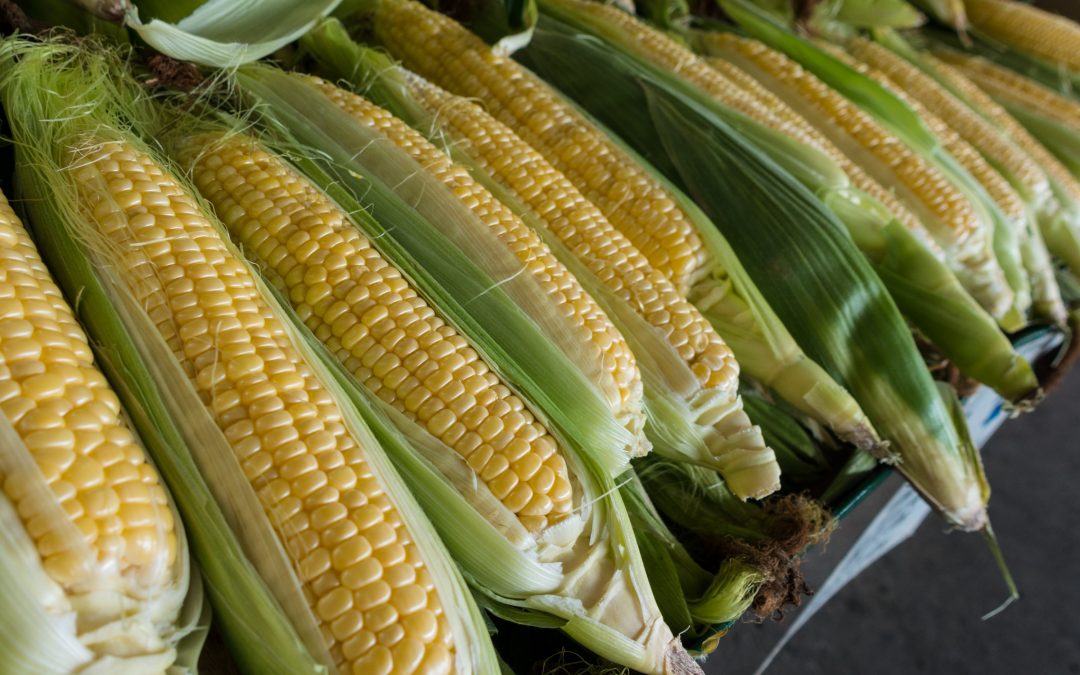
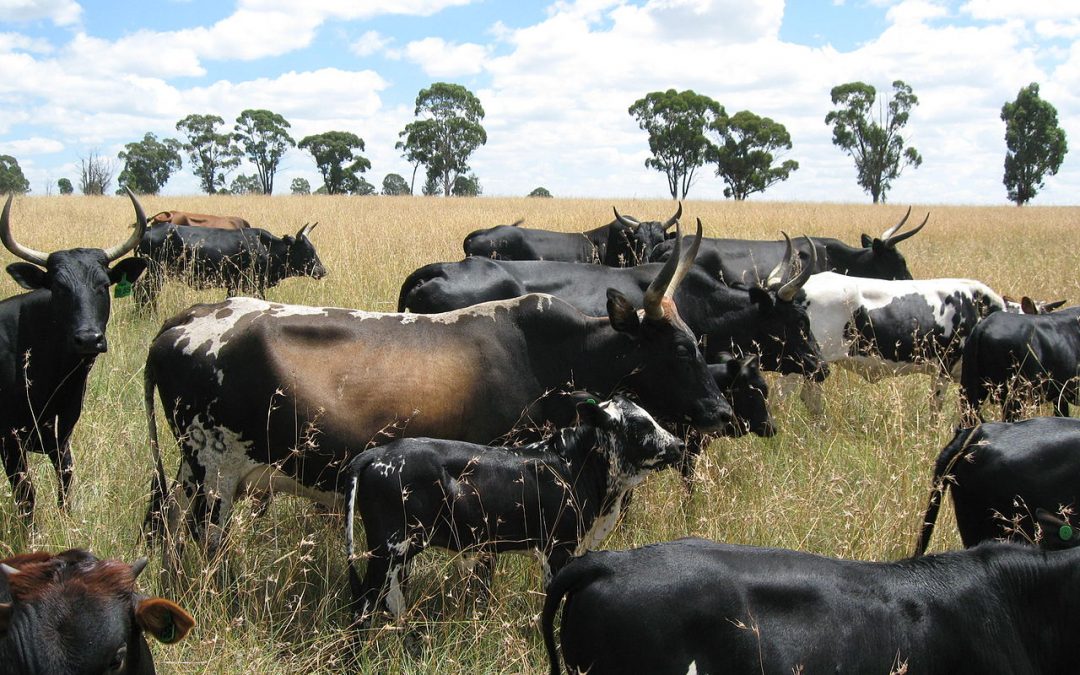
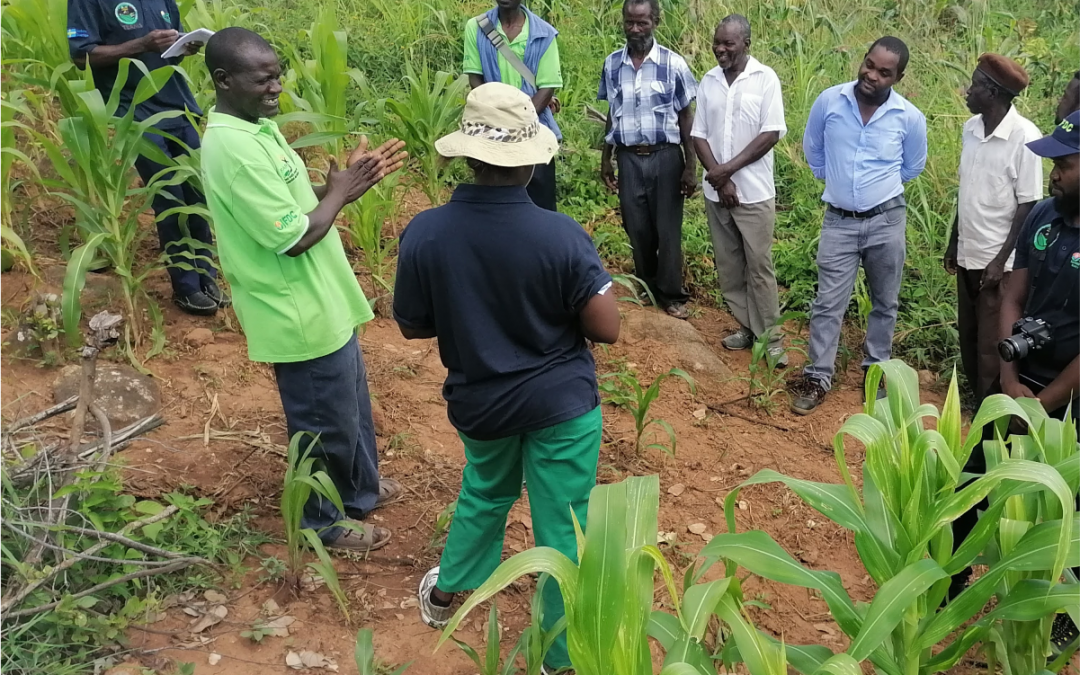
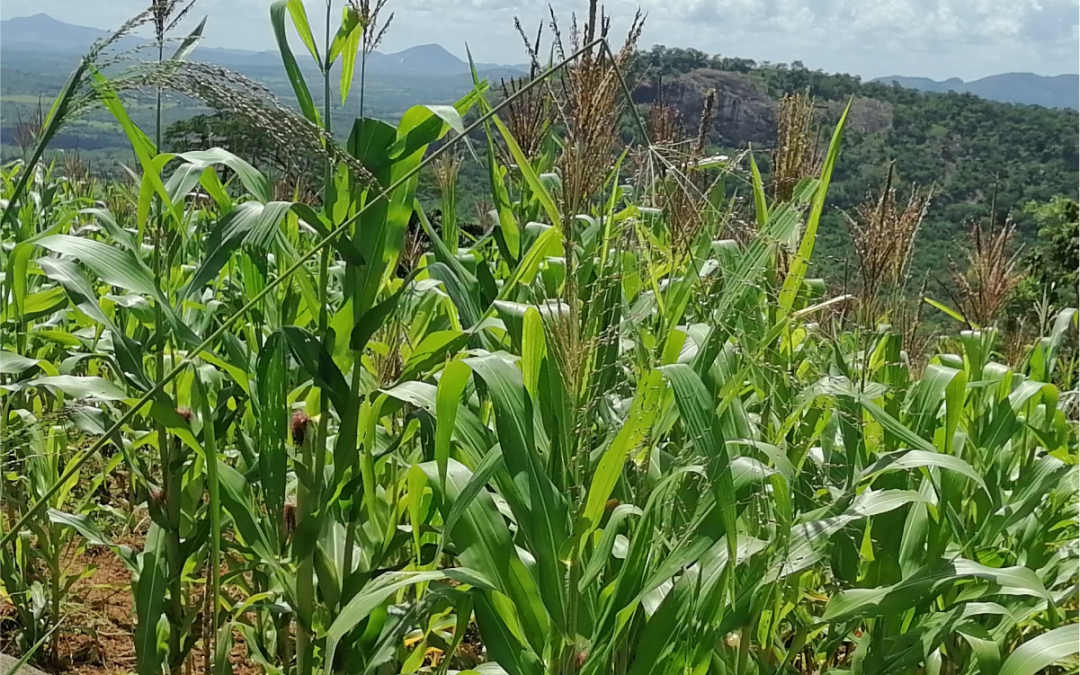



Recent Comments